01Medical Dermatology
Melasma & pigmentation
A careful dermatological approach to pigmentation, with combined protocols and a focus on preventing recurrence.
- Duration
- 30–60 min
- Downtime
- 0–7 days
- Sessions
- 3–6 month protocol

01What is the treatment?
Hyperpigmentation includes melasma, sun spots (lentigines) and post-inflammatory marks. Melasma is a chronic condition influenced by sun, visible light, hormones and genetics, and needs a different approach from ordinary spots.
02Who is it suitable for?
- People with symmetrical brown patches on the face
- Patients with sun or age spots
- Marks left after acne or irritation
- Women with pigmentation that appeared in pregnancy or with contraception
03What can it address?
- Melasma
- Solar lentigines
- Post-inflammatory hyperpigmentation
- Uneven skin tone
04How does it work?
Correct diagnosis (including dermoscopy) is essential. Treatment combines rigorous sun protection, topical depigmenting agents, gentle chemical peels and, selectively, laser or tranexamic acid. For melasma we avoid aggressive procedures, which can worsen pigmentation.
05What results are realistic?
Sun spots often respond well within 1–3 sessions. Melasma improves gradually over several months but can return, especially after sun or heat exposure; the realistic goal is control rather than permanent removal.
06How many sessions are needed?
A 3–6 month protocol with reviews every 6–8 weeks; peels usually take 4–6 sessions.
07Recovery and downtime
From none (topical treatment) to 3–7 days of light peeling after a peel or laser.
08Possible risks and side effects
- Irritation from depigmenting agents
- Rebound pigmentation if the protocol is not followed
- Hypopigmentation (rare) after procedures
09Frequently asked questions
Melasma is chronic. We can lighten it significantly and keep it controlled, but daily sun protection remains essential.
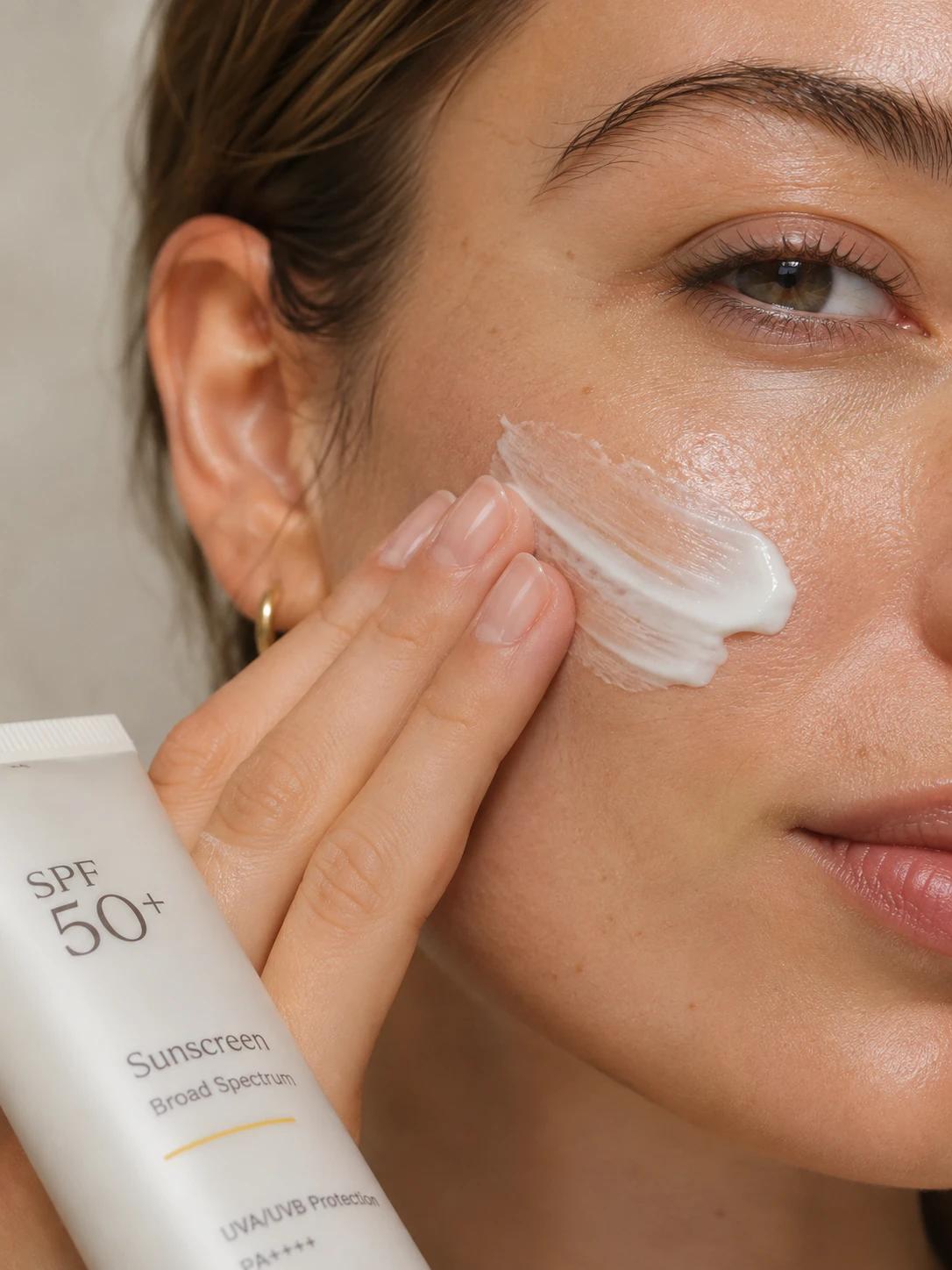
A broad-spectrum SPF 50, ideally tinted (with iron oxides) to also protect against visible light.
Related treatments
Let’s talk about melasma & pigmentation
The consultation is where we decide whether this treatment is right for you, or whether there is a better option.
Book a consultation